Don't miss
  • 1,501
  • 5,005
  • 4592
  • 47

Why F2P will win in the mainstream

By on February 5, 2013

Two traditional games journalists discussing games on Twitter today. (I mean traditional as in “schooled in the business of games journalism when it was about boxed releases, printed magazines and PR trips”, not traditional as in “blinkered and resistant to change”. Both are online journalists I respect.) Here is the conversation:

wyp100's avatar

Wesley Yin-Poole @wyp100

Why don’t people buy games in shops any more that aren’t Call of Duty or FIFA? I mean, what’s their problem?

patlike's avatar

Patrick Garratt @patlike

@wyp100 They’re too expensive. This is going to keep happening until people don’t have to risk £50 on "a game".

wyp100's avatar

Wesley Yin-Poole @wyp100

@patlike They’re all going free-to-play, aren’t they

patlike's avatar

Patrick Garratt@patlike

@wyp100 They need to be cheaper and downloadable. A lot of this is just the transition away from discs. But yeah, F2P will be massive.

patlike's avatar

Patrick Garratt @patlike

@wyp100 I’ll pay a tenner for anything I vaguely want. I won’t pay £45, or whatever, on the off-chance I may like something. It’s broken.


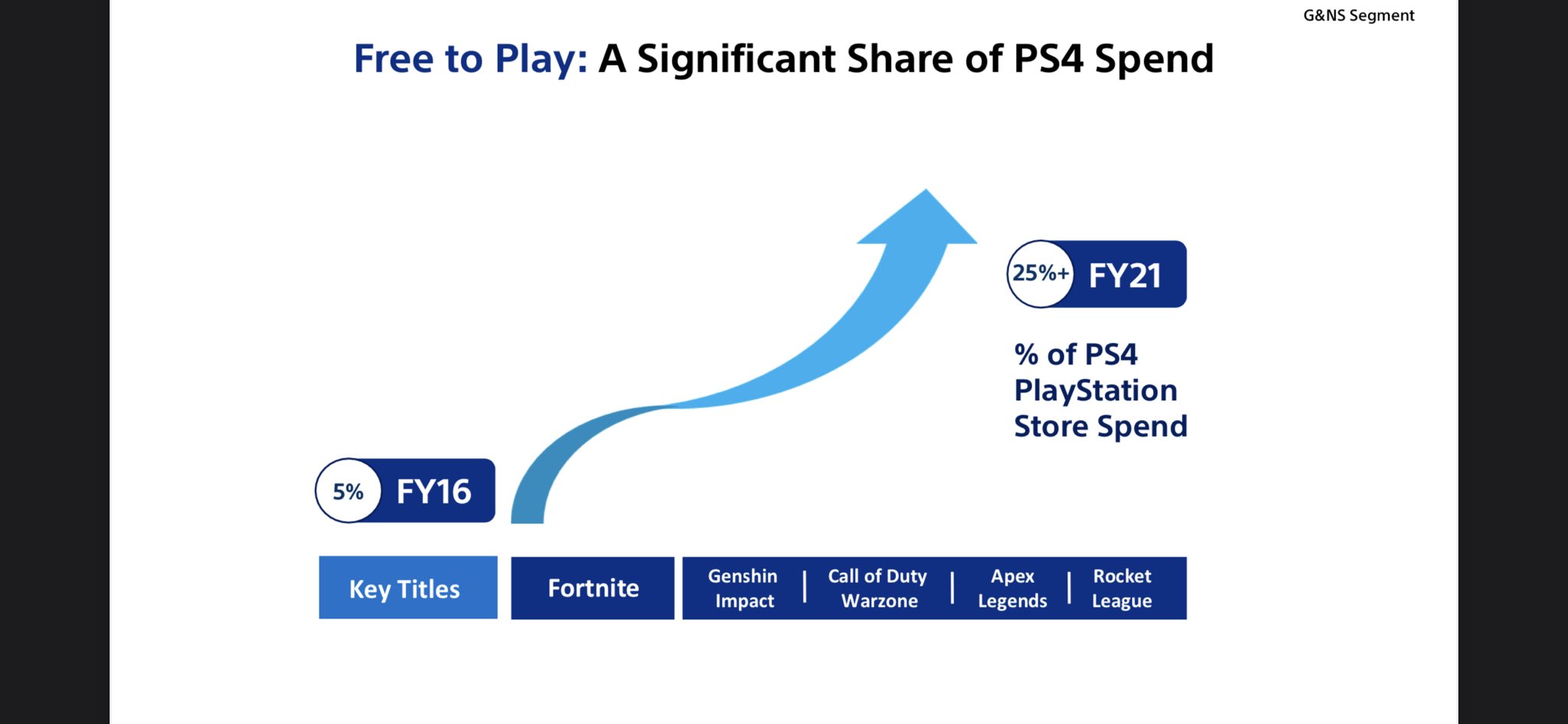
I imagine that conversation happening in people’s heads across the globe. If you are anti-F2P and prefer to pay a single price upfront for your content, this is what you are up against. This conversation made it clear to me why F2P is winning the emotional battle in so many people’s heads.

About Nicholas Lovell

Nicholas is the founder of Gamesbrief, a blog dedicated to the business of games. It aims to be informative, authoritative and above all helpful to developers grappling with business strategy. He is the author of a growing list of books about making money in the games industry and other digital media, including How to Publish a Game and Design Rules for Free-to-Play Games, and forthcoming Penguin title The Curve.
  • http://twitter.com/Bruciebabe Bruce Everiss

    FTP games have to be better than paid for games to succeed.
    Many paid for games have contempt for their players in how compelling an entertainment experience they provide. For £45.

  • http://twitter.com/Sikthehedgehog Sik

    I thought F2P already took over the mainstream long ago? That’s why so many developers seem desperate to switch to F2P. For the vast majority of mainstream F2P is the first model they ever tried, even.

    Unless by mainstream you mean those that have gaming as their main hobby rather than the general populace, that’s where the term “hardcore gamer” usually kicks in. Yes, those are moving to downloadable, but they aren’t that fond of F2P yet (despite many not having any problem having lots of DLC tacked on top of a paid game).

  • Alexander Symington

    “I’ll pay a tenner for anything I vaguely want. I won’t pay £45, or
    whatever, on the off-chance I may like something. It’s broken.”

    This isn’t anti-upfront fees at all. He’s saying that he’s perfectly willing to pay upfront fees, even to make impulse purchases on them, but at ~£10 rather than ~£50.

  • http://www.facebook.com/mayu.polo Mayu Polo Wieja

    Don’t agree. There are many financially successful f2p games that if compared side by side with a similar boxed product game would not be considered better than the paid game. I wouldn’t say for example that LotRO is “better” than WoW or GW2 and yet it is successful.

  • http://twitter.com/LizLansdown Liz Lansdown

    I have never really been fussed what platform a game is on if I like the look of it I’ll give it a chance. This has changed as money has gotten tighter so I find myself playing more mobile and ‘indie’ games.

    I think there is room for both models, the key I think is to remain flexible. Don’t cut off an audience by only allowing for one payment model on a game. Provide both so each type of consumer is happy and can pay in a way they are used to.

    Personally I am still cautious of F2P and micropayments as more often than not I have seen friends spend hundreds on a single game without realising it.

  • http://www.facebook.com/andrea.keil.18 Andrea Keil

    Regardless if F2P is going to be “more mainstream” than normal box products, I agree with the second to last tweet statement: Box products need to become cheaper, and not 40-50 €. There are so many people who can’t afford that or the entry barrier is too high, “risking” that money. 20€ should be a new benchmark, I think. Regarding the fact that maaaaaany games get shorter and shorter in playtime nonetheless.

    I see those changes or need for changes in particular in my boyfriend: He buys SO many games, but that’s only because these are games at 5-20€ (mostly steam, often including price drops). It’s really a whole bunch of games, but they are mostly short (Deadlight, FTL, Mark of the Ninja, Limbo, Dust Force, etc etc) and thus not so expensive. But the variety he gets to chose from is so wide/big, that it’s really a pleasure to buy and look into so many games.

    PS: I’m currently addicted to “Dead Zone: The Last Stand”, F2P game on Kongregate, zombie survival, build up your compound and defend yourself, attract new survivors, go scouting in the neighbourhood and collect food and stuff. SO great!!! And in no way hammering up a pay wall to you, it’s really a pleasure not to spend money to slip building times or so.

  • http://www.gamesbrief.com Nicholas Lovell

    I don’t think you can compare the best of each category. It’s more the “middling” of each category. Middling F2P games rarely succeed; middling paid games do (especially licenced tie-ins)

  • http://www.gamesbrief.com Nicholas Lovell

    That’s a fair point. But then you are asking the developer/publisher to accept 1/5 of the revenue (or hope that the lower price = 5x the volume), which is a big risk.

    I prefer to focus on making the price flexible, rather than only having volume as a variable to play with.

  • http://www.gamesbrief.com Nicholas Lovell

    Really? “Hundreds”? “Without realising it”?

    I’d love to know which games you are talking about. I think games where people spend money without realising it are, broadly, bad, and I’d like to find examples.

  • http://twitter.com/Sikthehedgehog Sik

    Usually players don’t seem to complain that much about the high price for AAA games, the problem is that other games with obviously smaller production values are also at that price when they don’t really need it. Smaller games with a smaller budget and such certainly could afford to be cheaper.

  • http://www.facebook.com/ohdavey David Hu

    “This is going to keep happening until people don’t have to risk £50 on ‘a game’”

    But isn’t that what game demos are for?

  • http://www.facebook.com/andrea.keil.18 Andrea Keil

    Yeah, but not everyone game has a demo as well.

  • http://www.gamesbrief.com Nicholas Lovell

    I don’t believe so. A game demo has a different emotional resonance to playing the actual game. You know it is not the real experience, but an experience optimised for showing the product off. It is harder to engage emotionally when you know that it is time limited, when you know you are going to have to start again, when you know it is not the real thing.

    Game demos and F2P are very different beasts.

  • http://twitter.com/TwiceCircled TwiceCircled

    I think it’s great that you bring up steam games in this discussion. I think too often boxed games are used to compare with F2P. I think they are easy targets!

    I totally believe that boxed games are prehistoric and on the way out. However the battle between F2P and digital download games at around the £10 price point is going to wage on for a while yet, especially on PC.

  • http://twitter.com/carlhodler Carl Hodler

    I guess a lot depends on whether the rumours of next gen consoles not supporting used discs is true. The purchasing power of hard-core gamers is often funded by their ability to trade in games quickly to raise money for their next purchase. If they find this revenue stream removed, then AAA games will need to be cheaper. I think F2P has provided AAA developers with enough clues on how to monitize entertainment and I suspect we’ll see games released with 3-5 hrs of gameplay for £20 and the rest is sold as bolt ons. The trick will be designing games with this model in mind so the bolt ons don’t just feel like ‘bolt on’ experiences and actually enhance the narrative and fun.